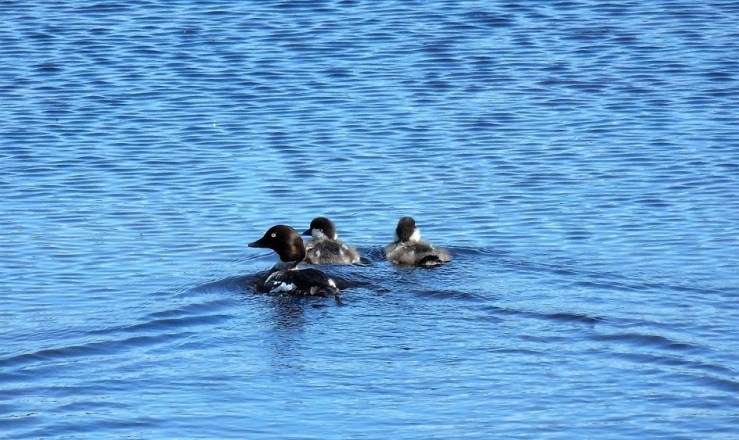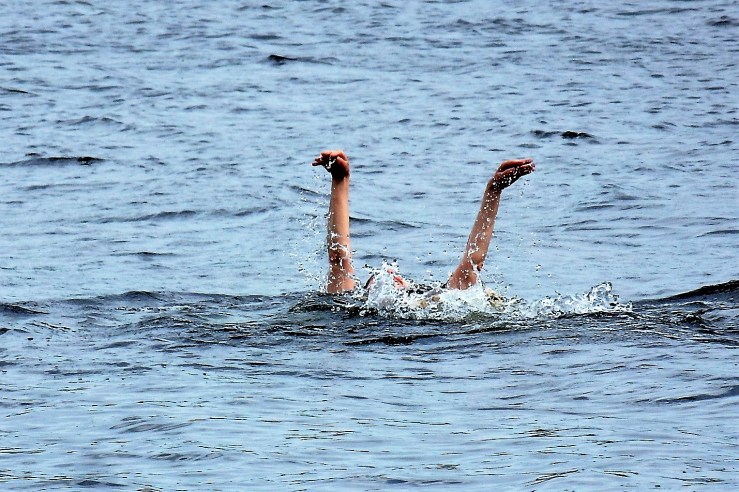
Vilja-Tuulia Huotarinen, “It Must Happen”

OLYMPUS DIGITAL CAMERA

Tapahduttava on, onnettomuutta ei voi siirtää.
Olen ollut keskellä kauan, syntymästä asti, ja nyt
kivien muodostamaan piiriin ilmestyy tyhjä kohta,
tila mahtua. Ranta murtuu kun käännyn selin.

Äkkiä vaihtoehtoja ei ole, ympyrää enää.
Ensimmäinen askel: heitän hyväilyt, käärin hihat.
Avaan arvet. Toinen askel: järven kalvo repeää.
Menen läpi. Kolmas: syvyys syö sinisen silmän,
kaksi veden väriä, tai taivaan oikeastaan.

Näin lämmintä, ihan sopivaa. Aalto sopii jalkaan,
Tuhkimon kenkä, pirstoutuu rikki. Aika kirkas, kun katso
läpi, kuvaa ei ole, ei heijastusta. Maisema tykyttää
verisuonissa, menetetty. On hetki, jolloin onni päättyy,
palaset putovat, käsistäni kaikki.

* * * * *

It must happen: an accident cannot be moved.
I have been in the middle for a long while, since birth, and now
an empty spot appears in a circle fashioned from stones,
room to fit. The beach crumbles when I turn my back.

Suddenly, there are no alternatives, no more circle.
First step: I throw caresses, I roll up my sleeves.
I open the scars. Second step: the lake’s membrane ruptures.
I’m going through. Third: the depth consumes the blue eye,
the two colors of water. Or the sky’s, actually.

So warm, quite suitable. The wave fits the foot,
Cinderella’s slipper, smashed to smithereens. Time is bright when you look
through it: there is no image, no reflection. The landscape throbs
in the blood vessels, lost. There is a moment when happiness ends,
the pieces all fall from my hands.

— Vilja-Tuulia Huotarinen, Sakset kädessä ei saa juosta (WSOY, 2004), p. 60

Photo and translation by Living in FIN

Vilja-Tuulia Huotarinen, “Our Golden-Brown Heads”

OLYMPUS DIGITAL CAMERA

Meidän kullanruskeat päämme ovat kumartuneet
toisiaan vasten, kynä rapisee hiiren jälkiä, suu avautuu
välillä leijonan kokoiseen haukotukseen, mutta sieraimet
värähtävät valppaasti. Nyt tehdään salaisuuksia. Avaudutaan.
Liittoudutaan. Kuuntelen ekassa pulpetissa Eleanor Rigbya
joka laulaa ikkunalaudalla, jalat eivät mahdu enää
pulpetin alle, katson lasin läpi mustia haavoja
koivujen kyljissä, hiiltyneitä arpia tiukan valon syleilyssä.

Kun tunti loppuu ja sujautamme paperit reppuun,
näen hänen reunamerkintänsä: tähtiä marginaaleissa,
kirkkaita kovia terässiipisiä ikuisia.

:::::::::::::::::::::::::::::::::::::::::::::::::::::::::::::::::

Our golden-brown heads are stooped
towards each other, pencils scratch mouse tracks, mouths open
occasionally into lion-sized yawns, but nostrils
vibrate vigilantly. Secrets are made. They are revealed.
Alliances are formed. At the first desk I listen to Eleanor Rigby
singing in the windowsill. Legs no longer fit
under the desk. I look through glass at black wounds
on the birch sides, charred scars in the taut light’s embraces.

When the lesson ends and we slip our papers into rucksacks,
I see his edge markings: stars in the margins,
bright hard steel-winged everlasting.

— Vilja-Tuulia Huotarinen, Sakset kädessä ei saa juosta (WSOY, 2004), p. 42.

Photo of former Savikanta School (Imatra, South Karelia) and translation by Living in FIN
Vilja-Tuulia Huotarinen, “The Cloud’s Spines Lie”

Modern_mangle_in_a_Swedish_laundry_room

Pilvenrangat makaavat pojan ohimoilla. Suu kiinni nyt.
Sokerisammas kielen päällä hilaan kättä kylkiviivaa pitkin,
jos vähän alemmaksi, se on melkein.

Kainalokarvat kutittavat sukeltajaa ja poika se tutkii tähtiä;
hänen silmänsä ovat sillä tapaa sokeat.
Aamulla vaihdan lakanat, taivaan toiseen.
Tyynyliinaan on jäänyt niskakuoppa.
Vedän sen mankelin läpi suoraksi, silitän vatsaani vasten.

:::::::::::::::::::::::::::::::::::::::::::::::::::::::::::::::::

The cloud’s spines lie on the boy’s temples. Shut up now.
A pillar of sugar on the tongue, I drag a hand along the rib line.
If a bit lower, it is almost.

Armpit hair tickles the diver, and the boy searches the stars.
His eyes thus tend to be blind.
In the morning, I change the bed sheets, to another sky.
The nape has remained on the pillow case.
I pull it straight through the mangle, stroking my stomach against it.

Vilja-Tuulia Huotarinen, Sakset kädessä ei saa juosta (WSOY, 2004), p. 15. Photo of mangle courtesy of Wikipedia.

Translated by Living in FIN

Arto Lappi, Five Poems

P6280002 (1)

1

Kuinka puhuttiin —
sadat, tuhannet sanat
ettei yksikään
mieleen jäänyt: hymysi
kaikkien niiden läpi.

:::::::::::::::::::::::::::::::::::::::::::::::::::::::::::::::::

However much we said—
one hundred, one thousand words—
not a single one
sticks in my mind, because your smile
shines through every one of them.

2

Vaikka pöydän ympärillä oli neljä tuolia
mummo antoi istua vain sillä, joka
varoitti narahtaen. Ja samassa pöytä oli täynnä
mehua, keksejä. Ja kilo voita leivän päällä.

:::::::::::::::::::::::::::::::::::::::::::::::::::::::::::::::::

Although around the table four chairs had been arranged
Grandma would let me sit only in the one chair
That forewarned her by creaking. The table was chockablock
with juice, biscuits, and a kilo of butter heaped on top of the bread.

3

Juosta varjoaan
kiinni, vihdoin tajuta —
makuulta sen saa
napattua: samalla
saa hiukan aurinkoa.

:::::::::::::::::::::::::::::::::::::::::::::::::::::::::::::::::

Running after your shadow,
trying to catch it, finally realizing:
when you are lying down, it can be
snatched. At the same time,
you get some sun.

4

Jaksan katsella
metsäreunaa, mitään ei
tapahdu. Mittaan
sitten kesän lopulla
vatsanympäryksen.

:::::::::::::::::::::::::::::::::::::::::::::::::::::::::::::::::

I manage to go have a look
at the forest’s edge: nothing is
happening. Then I measure
my stomach’s circumference
at summer’s end.

5

Sorsanpoikaset —
emon perässä uivat
hauenkin kitaan.

:::::::::::::::::::::::::::::::::::::::::::::::::::::::::::::::::

Ducklings,
swimming behind their mother,
right into a pike’s maw.

Arto Lappi, Harakan paja: mitallisia runoja (Turku: Sammakko, 2007), pp. 8, 21, 39, 124, 91. The poems were chosen using the True Random Number Generator at random.org.

Photo and translations by Living in FIN

Hannu Salakka, Three Poems

OLYMPUS DIGITAL CAMERA

1

Seinällä kääntyy kellastunut lehti
toukokuusta kesäkuuhun.
Ilmassa on juuri lakanneen musiikin tuntu,
sävelten, jotka ovat jo vaienneet
tai syntyneet saamatta ääntä.

:::::::::::::::::::::::::::::::::::::::::::::::::::::::::::::::::

The yellowed page on the wall turns
from May to June.
There’s a feeling in the air of music stopping,
of tunes going silent
or starting up again without making a sound.

2

Kolea ilta, vanhaa musiikkia.
Värit menevät valon myötä,
vain sävyt jäävät, hämärä,
jossa vihreää melkein mustasta melkein valkoiseen;
maailma vedenalainen,
rajapinta kuultavan taivasta vasten.

:::::::::::::::::::::::::::::::::::::::::::::::::::::::::::::::::

A chilly evening, old music.
The colors fade in the light,
leaving only overtones, dusk,
in which green has gone from almost black to nearly white.
The world is submerged,
the interface translucent against the sky.

3

Yö on vain varjo,
unet ovat toisesta maailmasta
joka meillä vain yksin on.
Näyt syntyvät
painuakseen jälleen unohduksiin niinkuin ne,
jotka elivät täällä ennen.

:::::::::::::::::::::::::::::::::::::::::::::::::::::::::::::::::

Night is a mere shadow,
dreams are from the other world,
which is the only one in our parts.
Visions are born, as it were,
so those who lived here before
descend once more into oblivion.

— Hannu Salakka, Kesä kesältä syvemmin (Otava, 1977), pp. 7–9

Interior view of the Lauritsala Church (Lappeenranta, South Karelia) and translations by Living in FIN

Eeva Kilpi, “Now We Have an Immense Charge in Us”

OLYMPUS DIGITAL CAMERA

Meissä on nyt valtava lataus
iloa, rakkautta, hyvyyttä ja voimaa
jakaa muillekin.

Niin, hän sanoi, olet käännekohta minun elämässäni,
sinä aukaisit minun aistieni umpeutuneet väylät.
Ensi kerran ymmärrän äitiäni,
anopista puhumattakaan,
sukulaisia melkein rakastan,
ja mikä parasta, vaimo ei maistu enää puulta;
sitä juhlaa mikä meillä on ollut!

*  * * * * *

Now we have an immense charge in us
Of joy, love, kindness, and energy
To share with others.

So, he said, you are a turning point in my life.
You opened my senses’ closed channels.
I understand my mother for the first time,
To say nothing of my mother-in-law.
I almost love my relatives.
And, best of all, my wife no longer tastes like wood.
What a celebration we have had!

— Eeva Kilpi, Laulu rakkaudesta ja muita runoja (WSOY, 1972)

Photo and translation by Living in FIN
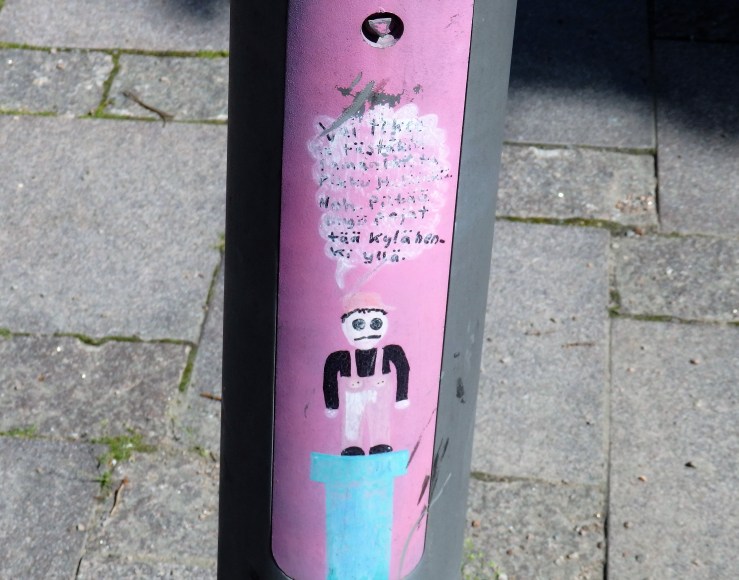
Eeva Kilpi, Six Poems

OLYMPUS DIGITAL CAMERA

1

Kun suru häipyy
tulevat muistot
ja jokainen niistä
koskee yksitellen.

* * * * *

When sorrow fades
the memories return
and each of them
hurts one by one.

2

Aika on leveä sänky.
Minä jo kauan
tyytynyt kapeaan.
Turhaan ei sanota:
levitän sinulle vuoteen.
Ahdas avaruus.

* * * * *

Time is a wide bed.
I have long
settled for a narrow one.
It’s not for nothing they say,
I’ll roll out the bed for you.
Space is cramped.

3

Sylissäsi
minä annan elämälle anteeksi
virheen toisensa jälkeen.

Kohta on kaikki lunastettu.

* * * * *

I forgive life
in your embrace
one mistake after another.

Soon it will all be redeemed.

4

Ettäkö vain kerran vuodessa
ja niin lyhyen aikaa?

Meidan rakastaessamme heinä kasvoi nilkoista
lanteita hipomaan,
koiranputki olkapäitten ympärille,
polku syveni pois.

* * * * *

Only once a year
and for such a short time?

As we made love, the grass grew ankle high,
grazing the hips,
the cow parsley encircled the shoulders,
the path deepened and vanished.

5

Jo kauan olen ollut varovainen,
kysynyt:
— Onko tämä Jumalan lähettämä mies?
Nyt kysyn lisäksi:
— Onko tämä ihminen jolle tahdon
avata yksinäisyyteni veräjän
astua korpeeni,
häiritä sen hitaasti kasvanut
luonnonmukainen epäjärjestys,
nähdä sen rauhoitetut kasvit,
valonranat linnut
jättää jälkensä sen soiselle polulle
makuuksensa sen ruohoon,
enkelinkuvansa sisimpäni hangelle.

* * * * *

I have been cautious for a long time,
asking,
“Has God sent me this man?”
Now I also ask,
“Is this the person whom I wish
to open the gates of my solitude,
to step in my backwoods,
disturbing its slowly cultivated
natural disorder,
seeing its protected plants,
its light-sensitive birds,
leaving his footprints on its marshy trail,
his resting place on its grass,
his snow angel on the snowdrift inside me?

6

Kun yksinäisyys on häiriötön
ei ole enää kärsimystä.

* * * * *

When loneliness is undisturbed
it is no longer suffering.

— Eeva Kilpi, Terveisin (WSOY, 1976), pp. 7, 9–13

Photo and translations by Living in FIN

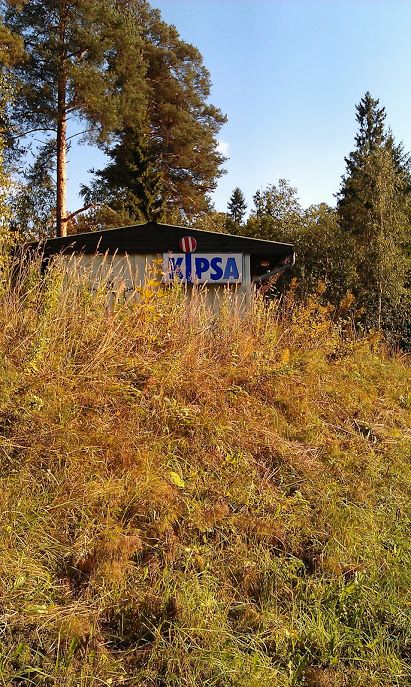
Kari Levola, “At the End of a Long Road Is a Kiosk Sign”

IMAG3490


Pitkän tien päässä on kioskin kyltti
pimeässä sitä ei näe
eikä kioskia enää ole
mutta sen voi kuvitella ja muistaa

Tuon kuvan minä näin ennen nukahtamista
ja kirjoitan nyt ylös
talvisena aamuna
niin kuin siinä olisi jotakin tärkeää
ehkä olikin, kun yön hämärissä mietin
ja vielä muistan
ehkä se on pimeä tie, ehkä se on kyltti
tai vain se että muistaa

* * * * *

At the end of a long road is a kiosk sign
you cannot see it in the darkness
and the kiosk is no more
but it can be imagined and remembered

I saw this picture before falling asleep
and now I am writing it down
on a winter’s morning
as if it were something important
maybe it was that I thought about it in night’s darkness
and still remember it
maybe it’s the dark road, maybe it’s the sign
or only that it is remembered

— Kari LevolaKaikki kartat ajan tasalla (Helsinki: Tammi, 2006)

Photo and translation by Living in FIN

Kari Levola, “I Once Beckoned Words Home”

OLYMPUS DIGITAL CAMERA

Kerran kutsuin
sanoja kotiini, vaahtera
täytti ikkunan
ja alhaalla pihalla
kaksi ihmistä
katsoi ylös
toistensa hiuksiin.
Niin on kevät kuin polkupyörä
humina korvissa
vesi jonka tuuli pusertaa silmistä
ojat jotka vieläkin kutsuvat
koulusta palaavia lapsia.
Kerran kutsuin sanoja kotiini
ja tänne ne jäivät
ja niitä on talo täynnä kuin sukkia
likaisia ja puhtaita, lämpimiä.
Kun kaihtimien välistä
kurkistan taivaalle
näen lentokoneen höyryä.

* * * * *

I once beckoned
words home. A maple
filled up the window,
and down in the yard
two people
looked up
at each other’s hair.
So spring is like a bicycle,
a whoosh in the ears,
what the wind makes the eyes water,
the ditches that still beckon
children returning from school.
I once beckoned words home
and they stayed.
They are like a house full of socks,
dirty and clean and warm.
When I peek into the sky
through the blinds
I see an airplane’s contrail.

Kari Levola, Kaikki kartat ajan tasalla (Helsinki: Tammi, 2006)

Photo and translation by Living in FIN

Jorma Etto, “A Finn”

Suomalainen
Suomalainen on sellainen joka vastaa kun ei kysytä,
kysyy kun ei vastata, ei vastaa kun kysytään,
sellainen joka eksyy tieltä, huutaa rannalla
ja vastarannalla huutaa toinen samanlainen:
metsä raikuu, kaikuu, hongat humajavat.
Tuolta tulee suomalainen ja ähkyy, on tässä ja ähkyy,
Tuonne menee ja ähkyy, on kuin löylyssä ja ähkyy
Kun toinen heittää kiukalle vettä.
Sellaisella suomalaisella on aina kaveri,
Koskaan se ei ole yksin ja se kaveri on suomalainen.
Eikä suomalaista erota suomalaisesta mikään,
ei mikään paitsi kuolema ja poliisi

—Jorma Etto, Ajastaikaa (WSOY, 1964)

A Finn
A Finn is the kind of person who answers when she isn’t asked,
asks when he isn’t answered, and doesn’t answer when asked.
The kind of person who loses her way, hollers on the shore,
and another like him hollers from the opposite shore.
The forest resounds, echoes, the big pines drone.
The Finn comes from over there, groaning, and here she is, groaning.
He goes over there, groaning, and groans as if she is in the sauna
When another person tosses water on the stove.
A Finn like this always has a pal.
She is never alone, and that pal is a Finn.
Nothing separates Finn from Finn,
Nothing except death and the police.

* * * * * *

Jorma Etto’s poem “A Finn” rose to national prominence when President Urhu Kekkonen quoted it during a New Year’s speech in the 1970s. When asked by journalist Maarit Tyrrkö what a Finn was, during a tape-recorded interview in 1976, Kekkonen also quoted the poem, albeit omitting lines six through eight accidentally or intentionally.

I have taken perhaps unwanted license with the sex of the collective singular Finn sketched in the poem, because the Finnish language has complete gender neutrality and, thus, utter ambiguity, when it comes to grammar, if not always (or, hardly ever) in real life. If you would like a more conventional albeit decidedly masculine rendering of Etto’s classic poem, see Keith Bosley’s excellent translation.

Photo and translation by Living in FIN. Video courtesy of Apu magazine.