Eeva Kilpi, “Autumn”

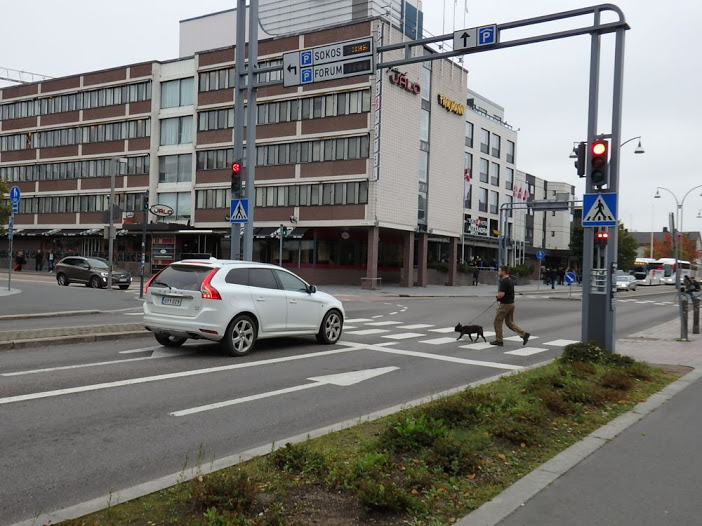
Kuokkala Bridge, Ainolanranta, Jyväskylä, September 2, 2016

Syksy.
Nyt pyykkiin viime kesän spermat.
Vähäiset mutta kuitenkin.
Sääli.
Eivät mahtuneet kaikki minuun.
Ja talvi on pitkä.

Autumn.
Now the last of summer’s sperm goes into the wash.
A little, but still.
It’s a pity.
It didn’t all fit into me.
And winter is long.

Source: Eeva Kilpi, Terveisin (WSOY, 1976), p. 42. Translation and photo by Living in FIN

Eeva Kilpi, “Dogless”

Poster advertising “dog march” in support of the Viipuri Dog Shelter, Imatra, September 15, 2016

Koiratta
on kuonoa ja
kahta luppakorvaa yksinäisempi.


on toista hengitystä vajaa.

En pelkää. Ikävöin.

Dogless
is lonelier than
a snout and two floppy ears.

Night
is short one breath.

I do not fear. I miss.

Source: Eeva Kilpi, Terveisin (WSOY, 1976), p. 8. Photos and translation by Thomas H. Campbell. Here is a different translation of the same poem


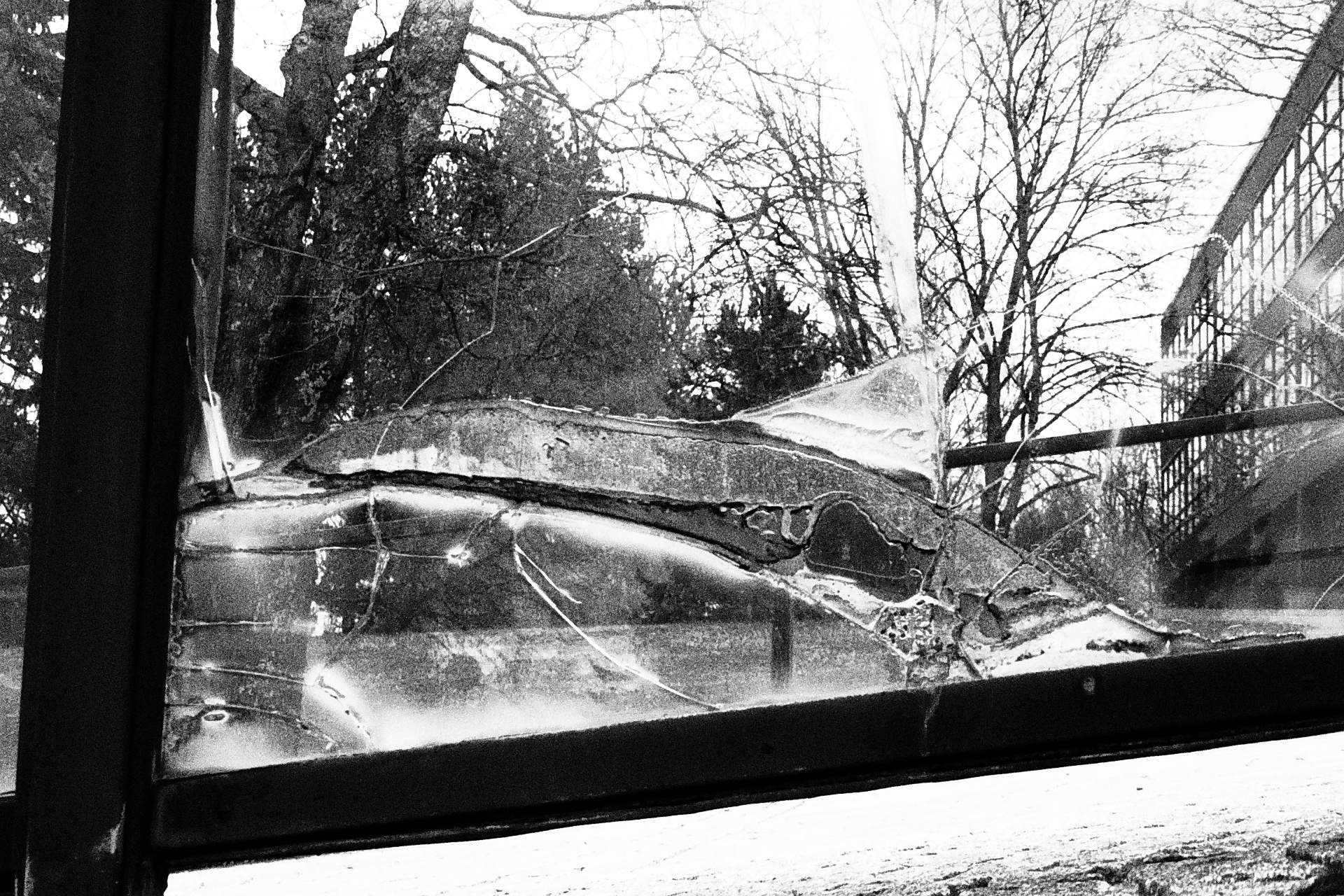
Hannikaisenkatu, Jyväskylä, September 2, 2016

Eeva Kilpi, “I Am Always Calm When I Have Two”

the-lowdown

Olen rauhallinen aina kun minulla on kaksi:
kaksi kampaa, kahdet sukat, kaksi samanlaista kynää.
Rakastaessakin yksinäisyys aina toisena.

Vai niin, hän sanoi ankarasti,
käskyn sinä tiedät:
jos sinulla on kaksi, luovuta toinen pois.

Tiedän, minä vastasin,
vaan jospa minuun pätee se suomalainen sananlasku:
Joka kahta kaihoaa, kumpaisenkin kadottaa.


I am always calm when I have two:
Two combs, two pairs of socks, two identical pens.
When I love, solitude is always the other one.

Indeed, he said harshly,
You know the commandment:
If you have two things, give one away.

I know, I replied,
But maybe the Finnish proverb applies to me:
He who longs for two things loses both.

—Eeva Kilpi, Laulu rakkaudesta ja muita runoja (WSOY, 1972)

p9020524

Translation and photos by Living in FIN

Eeva Kilpi, “The Dying Feed the Birds”

P3240023

Kuolevat syöttävät lintuja.
Siksi sanotaan että linnut tietävät kuolemaa.
Eläimet ymmärretään aina väärin.
Ajat ovat sellaiset että olisi sanottava joka hetki
jotain lopullista.
Olla niin lähellä maata
että kuulee mitä se sanoo,
tulla osaksi sen ääntä,
olla sen tahtoa ja tajuntaa,
palata siihen mitä on aina tiennyt.
Se on itsestään selvää
mutta ei yksinkertaista.
Moninaisuuden voi tajuta vain
koko olemuksellaan
eikä sen tajuamisesta enää halua pois.

The dying feed the birds.
So it is said birds presage death.
Animals are always misunderstood.
The times are such one should say something final
every instant.
Be so close to the earth
one hears what it says,
become a part of its voice,
be its will and consciousness,
go back to what has always been known.
That is self-evident
but not simple.
The manifold can be grasped only
by its entire essence
not by wanting to avoid grasping it anymore.

—Eeva Kilpi, Animalia (WSOY, 1987)

P5220092

Translation and photos by Living in FIN

Hannu Salakka, “Is There a Sight More Pathetic”

Onko säälittävämpää näkyä
kuin kahdella sormella koneella kirjoittava aikuinen mies.
On kuin näkisi itsensä kadulla kävelemässä
takaapäin toisen kerroksen ikkunasta,
paljaan päälakensa, kyyryt hartiansa,
nöyryytyksensä taakan.

Is there a sight more pathetic
than a grown man writing with two fingers on a typewriter.
It’s like seeing oneself walking down the street
from behind out a second-floor window,
the pate of one’s bare head, one’s stooped shoulders,
the burden of one’s humiliation.

—Hannu Salakka, Yöllä näin kaiken vapaan maan (Otava, 1990)

Translation and photos by Living in FIN

Eeva Kilpi, “Our Dead Speak to Us through Our Senses”


Runolaituri (Poetry Platform), Jäppilä Cape Road, Imatra, South Karelia
Runolaituri (Poetry Platform), Jäppilä Point Road, Imatra, South Karelia

Our dead speak to us through our senses
as the marsh respires
reeks and squelches
bubbles and blooms
proffers its berries
and carries the bear.

Like the wind passing over the marsh
Lulling the cottonsedge as far as the eye can see
So our dead are present
underwater
in our soul’s
depths
drowned plants are swaying.

Our dead are rooted in us
they rest in us
our soul is heavy with drowned snags
and perhaps fruitful
perhaps in its cavities something forms a chain
and something invisible to us
surreptitiously proffers its purpose
which
(what relief)
is none of our business.

Eeva KilpiRecent Poems, 1996–2000

Translation and photos by Living in FIN

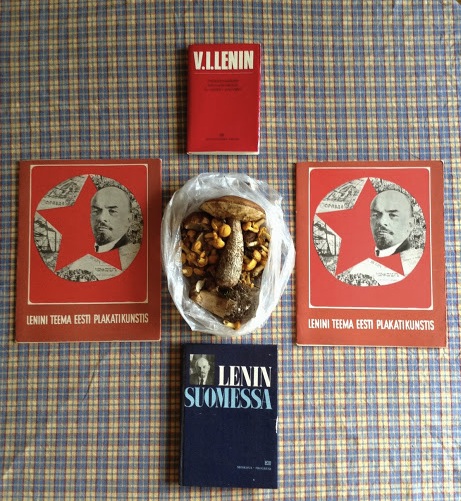
Pentti Saarikoski: Trotsky Says

kuuluisassa vallankumouksen historiassaan Trotski kertoo
kun Leninillä
oli silmälasit ja tekotukka
kun Pietarissa satoi
äiti Venäjä synnytti lasta
josta oli tuleva

kun tarjoilu on loppunut
asiakkkaat hätistelty pois
tuolit nostettu pöytien päälle
ja kassa laskee rahoja
kun katsoo tätä ulkoa
ja kaikki on niin kuin tavallisesti
ja jatkuu ja on jatkunut

auto näyttää omaisuuden arvoiselta minä olen pelkkää
pimeyttä niinkuin enkeli
joka lentää omaa valoaan nopeammin

—Pentti Saarikoski, Mitä tapahtuu todella? (1962)

lenin grib

in his famous history of the Revolution Trotsky says
when Lenin
had glasses and a wig
when it was raining in Petersburg
Mother Russia gave birth to a child
from which the future emerged

when service is over
the customers shooed out
the chairs put on the tables
and the cashier is counting the money
when one looks at this from outside
and everything is as usual
and goes on and has been going on

the car looks like it is worth a fortune I am mere
darkness like an angel
who flies faster than its own light

Pentti Saarikoski, What Is Really Happening? (1962)

Translation and collage by Living In FIN

Hannu Salakka, “I Go Swimming”

Menen uimaan,
mutta ensin seison hiljaa vedessä
että kalat tulevat näykkimään jalkojeni ihokarvoja.
Saunan savu leviää rannan ylle.
En ole minkään ikäinen.

—Hannu Salakka, Ennen kaipasin tähän (Helsinki: Otava, 1983)

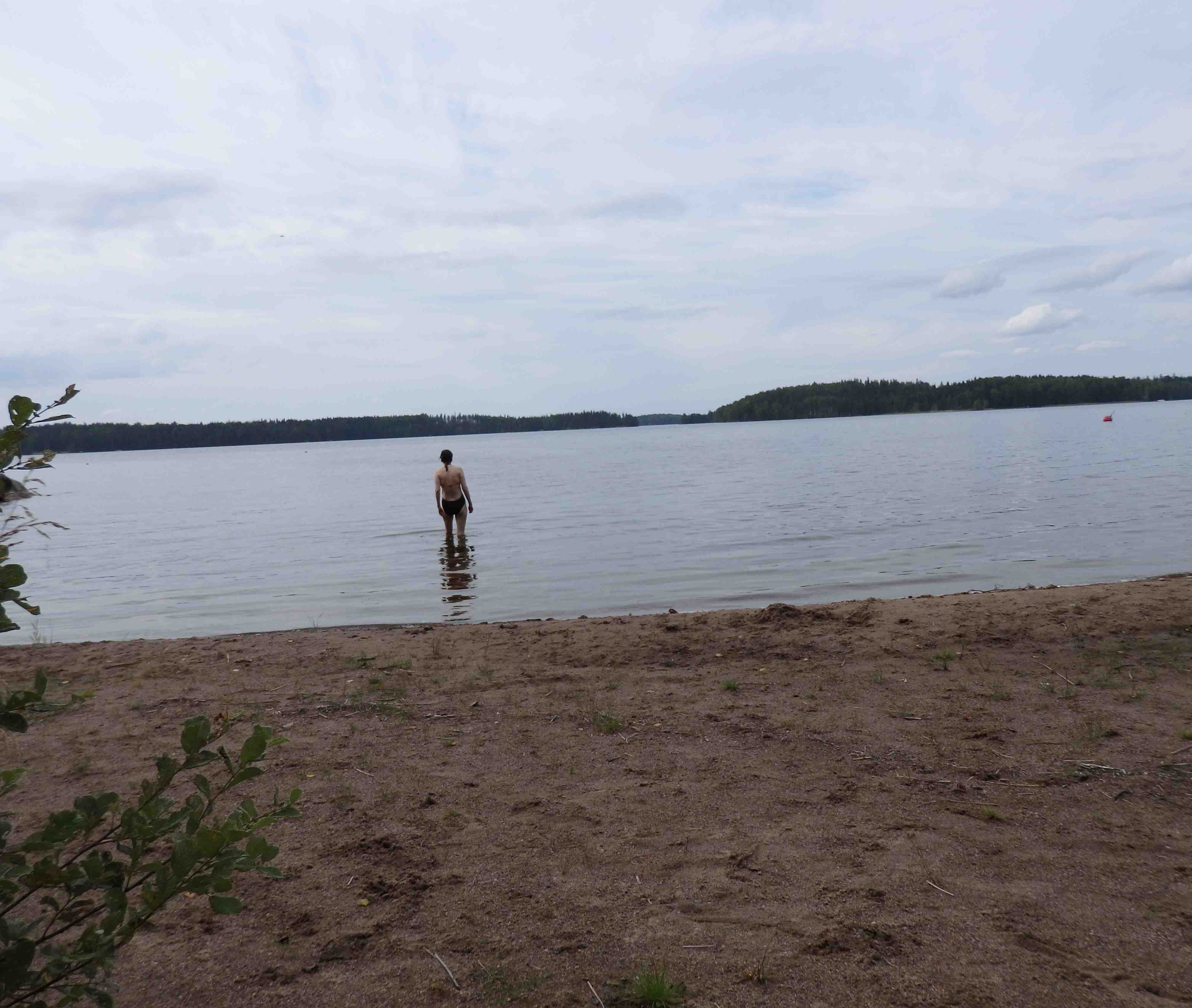
OLYMPUS DIGITAL CAMERA

I go swimming,
but first I stand quietly in the water
so the fish come and nibble the hair on my legs.
Sauna smoke spreads over the shore.
I am no age at all.

Hannu SalakkaI Missed This Before (Helsinki: Otava, 1983)

Translated by Living in FIN